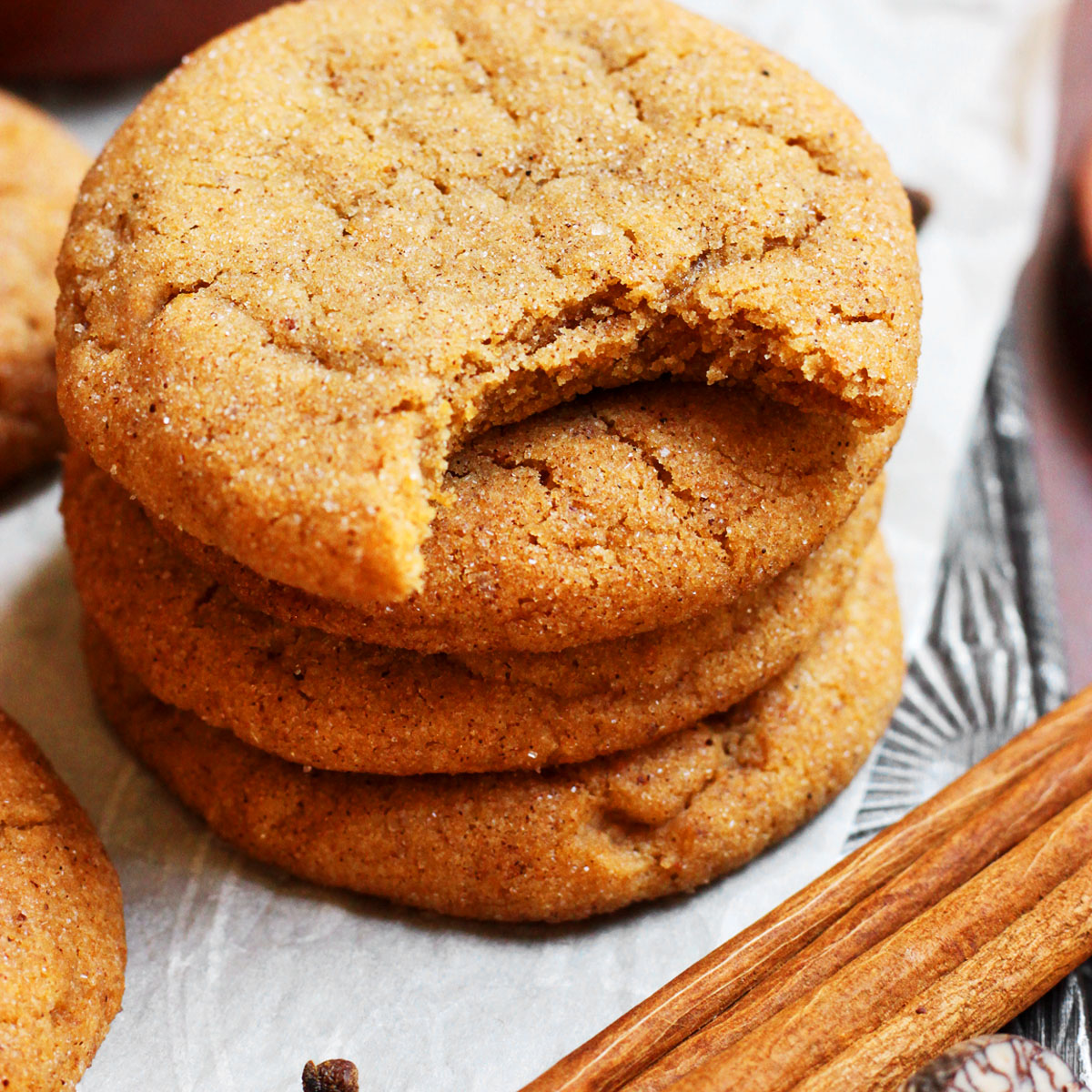
Ah, the beloved pumpkin cookie. Just the thought conjures images of cozy autumn evenings, warm spices, and that unmistakable taste of fall. Yet, for many home bakers, the journey to a perfect batch of pumpkin cookies is often fraught with a common culinary disappointment: the dreaded cakey, soggy texture. Instead of the delightfully soft, yet wonderfully chewy bite we crave, we often end up with something more akin to a small, spiced pumpkin muffin. If you've ever found yourself wishing your pumpkin cookies had less "bread" and more "bite," you're not alone.
The good news? Achieving that ideal soft and chewy texture in your pumpkin cookies isn't just a matter of luck or a secret family recipe. It's a precise dance of baking science, where every ingredient and technique plays a critical role. After countless experiments and a deep dive into what makes cookies tick, we've unlocked the secrets to banishing the soggy and embracing the chewy. Get ready to transform your pumpkin cookie game forever, starting with the very next batch.
The Perennial Pumpkin Cookie Problem: Why Are They So Cakey?
Before we dive into solutions, let's understand the root cause of the cakey pumpkin cookie conundrum. The primary culprit is moisture, specifically the high water content found in pumpkin puree. While pumpkin is undeniably delicious and essential for flavor, its inherent moisture poses a unique challenge in cookie baking. Cookies, by nature, require a delicate balance of wet and dry ingredients to achieve their structure and texture. Too much moisture, and the dough becomes sticky, spreading poorly, and often baking up with a light, airy, and ultimately cake-like crumb.
Think about it: cakes and muffins rely on a higher liquid-to-flour ratio to create their characteristic soft, tender, and often bread-like texture. When we introduce a significant amount of moisture through pumpkin puree into a cookie recipe without proper management, we inadvertently push the cookie's texture closer to that of a cake. This over-hydration can lead to excessive gluten development if overmixed, further contributing to a bready rather than chewy result. The goal, then, is to harness the pumpkin's flavor while expertly controlling its moisture, ensuring your pumpkin cookies are soft where they should be and delightfully chewy throughout.
Unlocking the Chewy Secret: Key Ingredients & Their Roles
Creating the perfect soft and chewy pumpkin cookie is less about magic and more about understanding the science behind each ingredient. Every component plays a specific role in achieving that elusive texture. Let's break down the essential players:
Pumpkin Puree: The Moisture Manager
- Pure vs. Pie Filling: Always, always, always opt for pure canned pumpkin puree. Pumpkin pie filling contains added sugars, spices, and often stabilizers that will throw off your recipe's delicate balance.
- The Moisture-Blotting Trick: This is arguably the most critical step for combating cakiness and preventing soggy pumpkin cookies. Pumpkin puree, even from a can, contains a surprising amount of water. To manage this, spread your pumpkin puree thinly on a plate lined with several layers of paper towels. Gently blot the surface with more paper towels, repeating until barely any liquid comes off, and the puree looks somewhat dry and flaky rather than watery. This simple act drastically reduces excess moisture, preventing a sticky dough and ensuring a chewier bake.
Butter: The Foundation of Chewiness
- Melted Butter is Key: Unlike many cookie recipes that call for creaming butter and sugar (which incorporates air and leads to a fluffier, cakeier texture), our soft and chewy pumpkin cookies demand melted butter. Melted butter, being fully liquid, coats the flour particles more thoroughly, inhibiting some gluten development and contributing to a denser, chewier cookie. It also allows for a chewier texture by distributing fat more evenly throughout the dough.
- Unsalted for Control: Use unsalted butter to precisely control the salt content in your recipe.
Sugar Balance: Flavor, Spread & Texture
- Granulated Sugar: Provides the foundational sweetness and contributes to a slightly crispy edge, aiding in the spread of the cookies.
- Light Brown Sugar: This is the secret weapon for chewiness and depth of flavor. Brown sugar contains molasses, which is hygroscopic (attracts and retains moisture), keeping your cookies soft and moist long after baking. Its slight acidity also activates the baking soda, crucial for proper spread and a subtle lift. Don't skip it!
Egg Yolk: The Richness Factor
- Yolks Only: This recipe typically calls for an egg yolk, omitting the egg white. Egg yolks are rich in fat and emulsifiers, adding tenderness and richness without contributing extra protein or moisture that could lead to a tougher or cakier crumb. The pumpkin puree already provides sufficient binding and moisture, making the extra protein from an egg white unnecessary and potentially detrimental to the desired texture.
Flour & Leavening: Structure & Spread
- All-Purpose Flour: The go-to for most cookie recipes, all-purpose flour provides the necessary structure without excessive gluten development, especially when handled gently.
- Baking Powder & Baking Soda: This dynamic duo ensures the perfect rise and spread. Baking powder provides initial lift, giving the cookies a slight puff. Baking soda, activated by the acidity in brown sugar and pumpkin, promotes spreading and contributes to that characteristic chewiness.
Spices & Vanilla: The Soul of Fall
- Warm Spices: Ground cinnamon, ginger, nutmeg, and cloves (or your favorite pumpkin pie spice blend) are essential for that quintessential fall flavor. Adjust to your preference.
- Quality Vanilla: Don't underestimate the power of good vanilla extract or vanilla bean paste. It enhances all the other flavors, providing a rich, aromatic base.
The Hands-On Approach: Mastering Your Pumpkin Cookie Dough
With a solid understanding of your ingredients, let's walk through the streamlined process for mixing your way to perfect pumpkin cookies. This recipe is designed to be user-friendly, requiring no special equipment, just a few bowls and a whisk!
- The Critical Puree Prep: Begin by taking your canned pumpkin puree and spreading it thinly over a few layers of paper towels on a plate. Gently press down with more paper towels to blot out as much excess liquid as possible. Repeat this process until the paper towels come away mostly dry and the puree looks denser, almost crumbly, rather than wet. This step truly is the game-changer for avoiding soggy cookies.
- Wet Ingredients First: In a large mixing bowl, combine the melted butter, both granulated and light brown sugars, and your now-blotted pumpkin puree. Whisk these together just until they are fully combined and smooth. Overmixing here isn't a huge concern, but ensure everything is well-incorporated. The melted butter disperses evenly, setting the stage for chewiness.
- Introduce the Egg Yolk & Vanilla: Whisk in the egg yolk and vanilla extract until fully blended.
- Combine Dry Ingredients: In a separate bowl, whisk together your all-purpose flour, baking powder, baking soda, salt, and your chosen fall spices (cinnamon, ginger, nutmeg, etc.). Ensure these are thoroughly mixed to guarantee even distribution throughout the dough.
- Gentle Mixing: Gradually add the dry ingredients to the wet ingredients. Mix on low speed if using a stand mixer, or gently fold by hand with a spatula, just until no streaks of flour remain. The key here is not to overmix! Overmixing develops gluten, which can lead to a tougher, more cake-like cookie rather than a soft and chewy one. A few lumps of flour are better than an overmixed dough.
- Optional (But Recommended) Chill: While this recipe is quick, a brief chill (30 minutes to an hour) can enhance flavor and help the cookies hold their shape better, resulting in a slightly thicker and chewier cookie. This allows the flour to fully hydrate and the butter to firm up slightly.
From this point, you're ready to scoop and bake your way to autumn bliss. Remember to preheat your oven properly and use parchment paper for easy removal and consistent baking. For more insights on achieving that perfect soft and chewy texture, check out our guide on Soft & Chewy Pumpkin Cookies: Say Goodbye to Cakey Bakes.
Troubleshooting Common Pumpkin Cookie Woes
Even with the best intentions and the right techniques, baking can sometimes throw a curveball. Here’s how to troubleshoot some common issues you might encounter when making your pumpkin cookies:
- Cookies are Still Too Cakey:
- Did you blot the pumpkin puree enough? This is the number one culprit. Go back and really get that moisture out until it looks dry.
- Did you overmix the dry ingredients? Excessive mixing develops gluten, leading to a bready texture. Mix just until combined.
- Did you use melted butter? Creamed butter incorporates air, making cookies lighter and cakeier.
- Was your oven temperature accurate? An oven that's too cool might bake the cookies more slowly, causing them to dry out or become cakier before they set.
- Cookies Aren't Spreading Enough:
- Is your baking soda fresh? Baking soda loses potency over time. Test it by mixing a small amount with vinegar; it should bubble vigorously.
- Did you include brown sugar? The acidity in brown sugar activates the baking soda, crucial for spread.
- Was the dough too cold? If you chilled your dough for too long, it might need to warm up slightly before baking to encourage proper spread.
- Too much flour? Accurately measure your flour (preferably by weight) to avoid a stiff dough that resists spreading.
- Cookies are Too Crispy or Dry:
- Are you overbaking them? Cookies continue to bake slightly after coming out of the oven. Remove them when the edges are set but the centers still look slightly soft.
- Too much flour? Again, precise measurement is key.
- Not enough moisture-retaining ingredients? Ensure you have the right balance of brown sugar and properly blotted pumpkin.
- Cookies are Too Gooey or Undercooked in the Middle:
- Not enough blotting of the pumpkin puree? Excess moisture can prevent the center from setting.
- Oven too hot? A too-hot oven might brown the outside quickly, making you think they're done, while the inside remains raw. Check your oven temperature with an external thermometer.
- Insufficient baking time. Sometimes they just need a minute or two longer!
By understanding these common pitfalls and their solutions, you'll be well-equipped to adjust and adapt, ensuring your next batch of pumpkin cookies is nothing short of perfect. For an easy and reliable recipe that incorporates all these tips, don't miss The Best Soft & Chewy Pumpkin Cookies for Fall (Easy Recipe!).
Conclusion
Baking truly is a delightful blend of art and science, and nowhere is this more evident than in the quest for the perfect soft and chewy pumpkin cookies. By understanding the critical role of moisture control through pumpkin puree blotting, harnessing the power of melted butter for chewiness, and balancing your sugars for both flavor and texture, you can confidently bid farewell to cakey, soggy results.
These simple yet profound adjustments unlock the full potential of your pumpkin cookie recipe, transforming a common struggle into a consistent success. With these baking science secrets in your arsenal, you're not just baking cookies; you're crafting an experience that embodies the warmth, comfort, and deliciousness of the autumn season. Go forth, bake confidently, and savor every soft, chewy bite!
